Solar Meets the Substation: The Engineering Behind the Kabba 30MWp Project, Kogi State
Focus: Technical Perspective | 30MWp into 2x60MVA Transmission Substation | Grid Engineering | Kabba, Kogi State
Integrating 30MWp of photovoltaic generation into a 2x60MVA transmission substation is a demanding exercise in grid engineering. Here is why it matters and what it involves.
Most solar projects in rural Nigeria have been mini-grids: self-contained systems serving a defined community. The 30MWp Solarization of the 2x60MVA Transmission Substation at Kabba, Kogi State, awarded by REA to ICC Offshore SAL in March 2020, belongs to a different category. It connects utility-scale solar to high-voltage grid infrastructure.
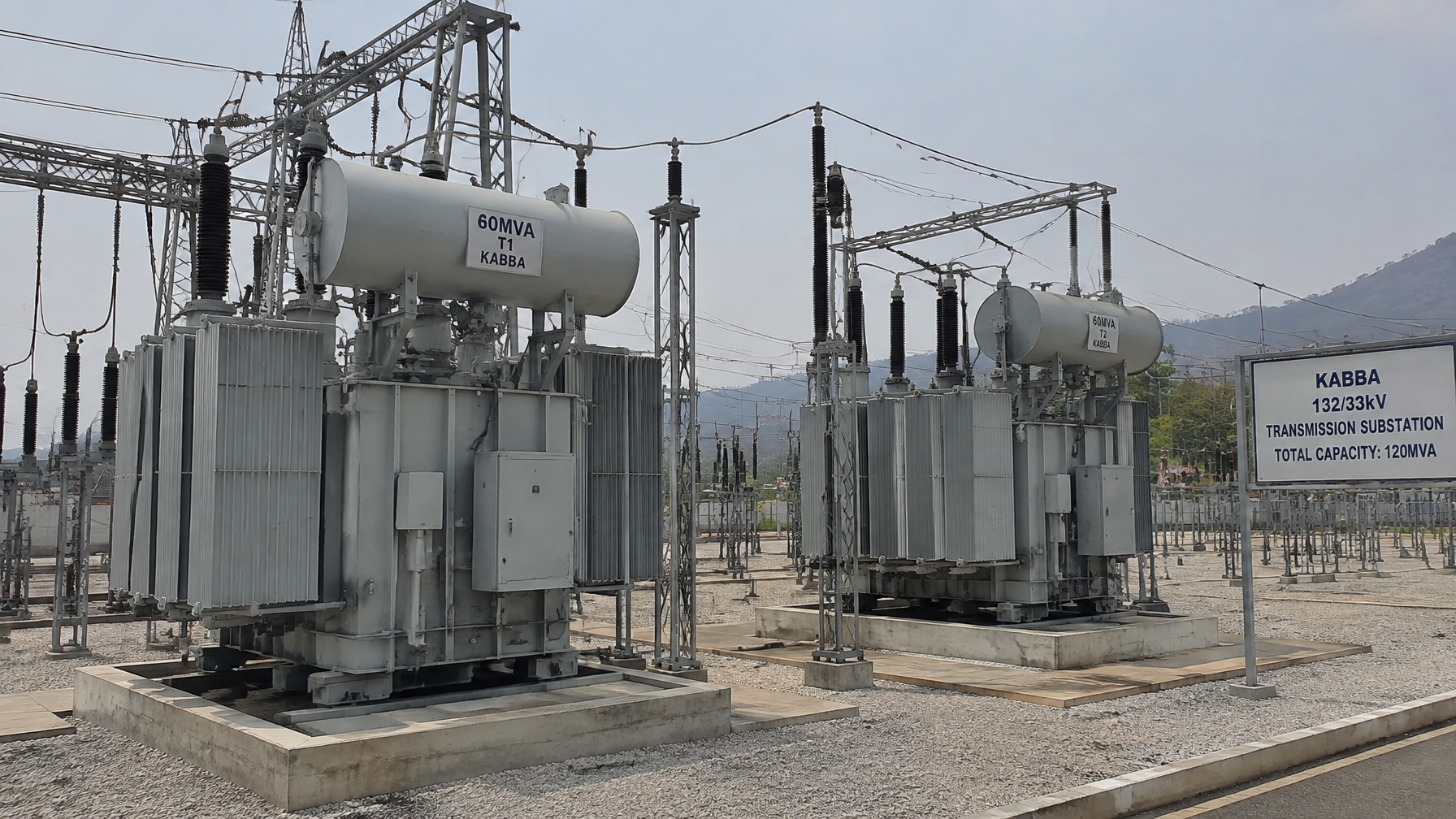
Understanding the Substation: 120MVA Capacity
A transmission substation is a node where power arriving over high-voltage lines is transformed down to lower voltages for distribution. Kabba's two 60MVA transformers give combined capacity of 120MVA. A 30MWp solar plant therefore represents substantial share of that capacity, enough to make real difference to how substation is supplied during daylight.
Why Generate at the Substation?
Substations far from major stations often face low voltage at end of long lines, energy losses during transmission, and vulnerability to disturbances elsewhere. Injecting generation locally addresses all three: power does not travel hundreds of kilometres so losses fall; modern inverters help regulate voltage at connection point improving downstream quality; local source reduces dependence on wider grid during daylight.
The Engineering Challenges
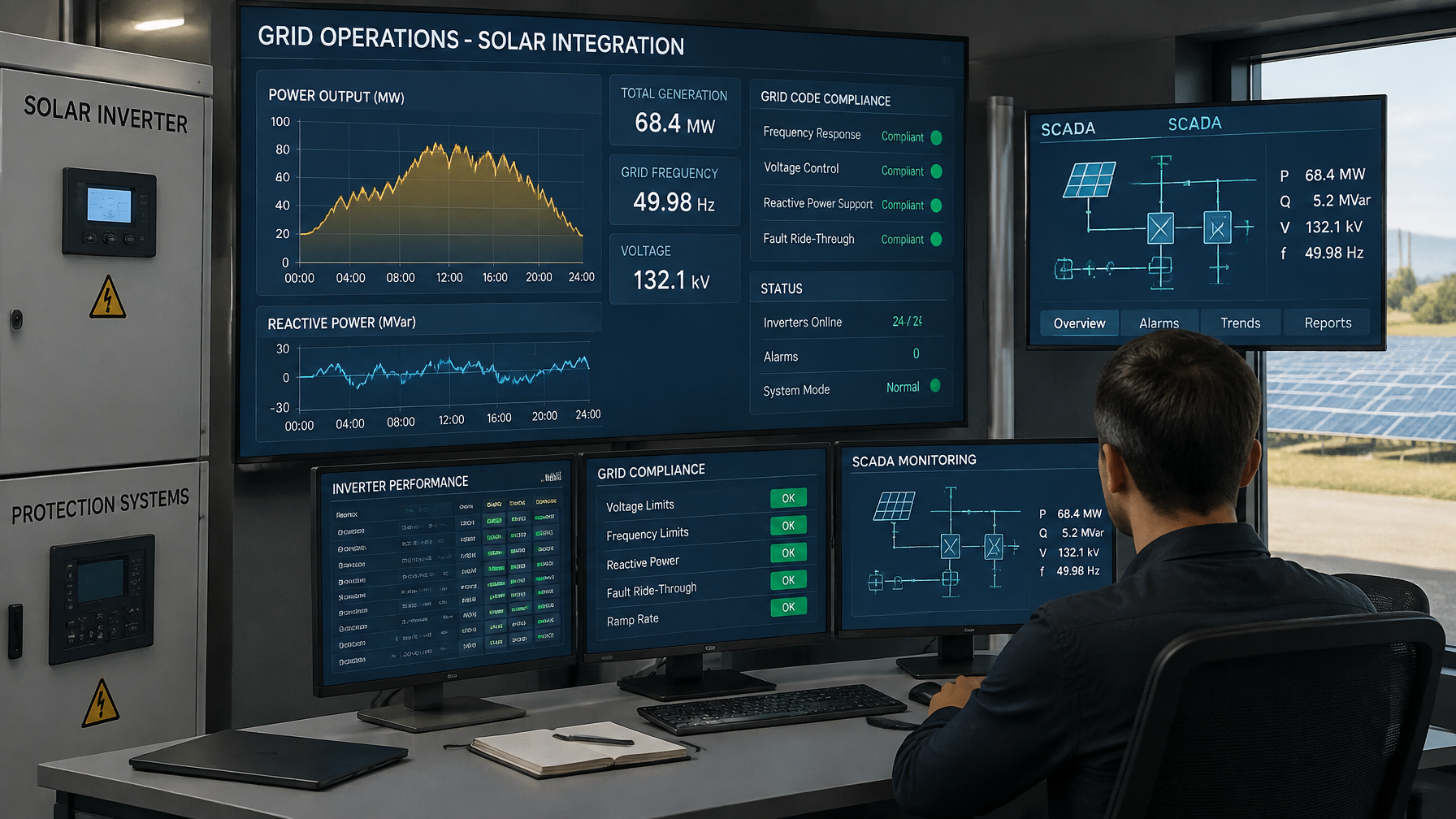
Connecting large solar to high-voltage is technically complex. Solar output varies with sun and clouds, so grid connection must handle rapid power flow changes without destabilizing network. Protection systems must be redesigned/coordinated for new generation. Inverters must meet grid code (voltage, frequency, reactive power). Plant must be integrated into supervisory control and monitoring so operators can see/manage contribution in real time.
Designing for the Climate: Kogi's Harmattan, Heat & Rain
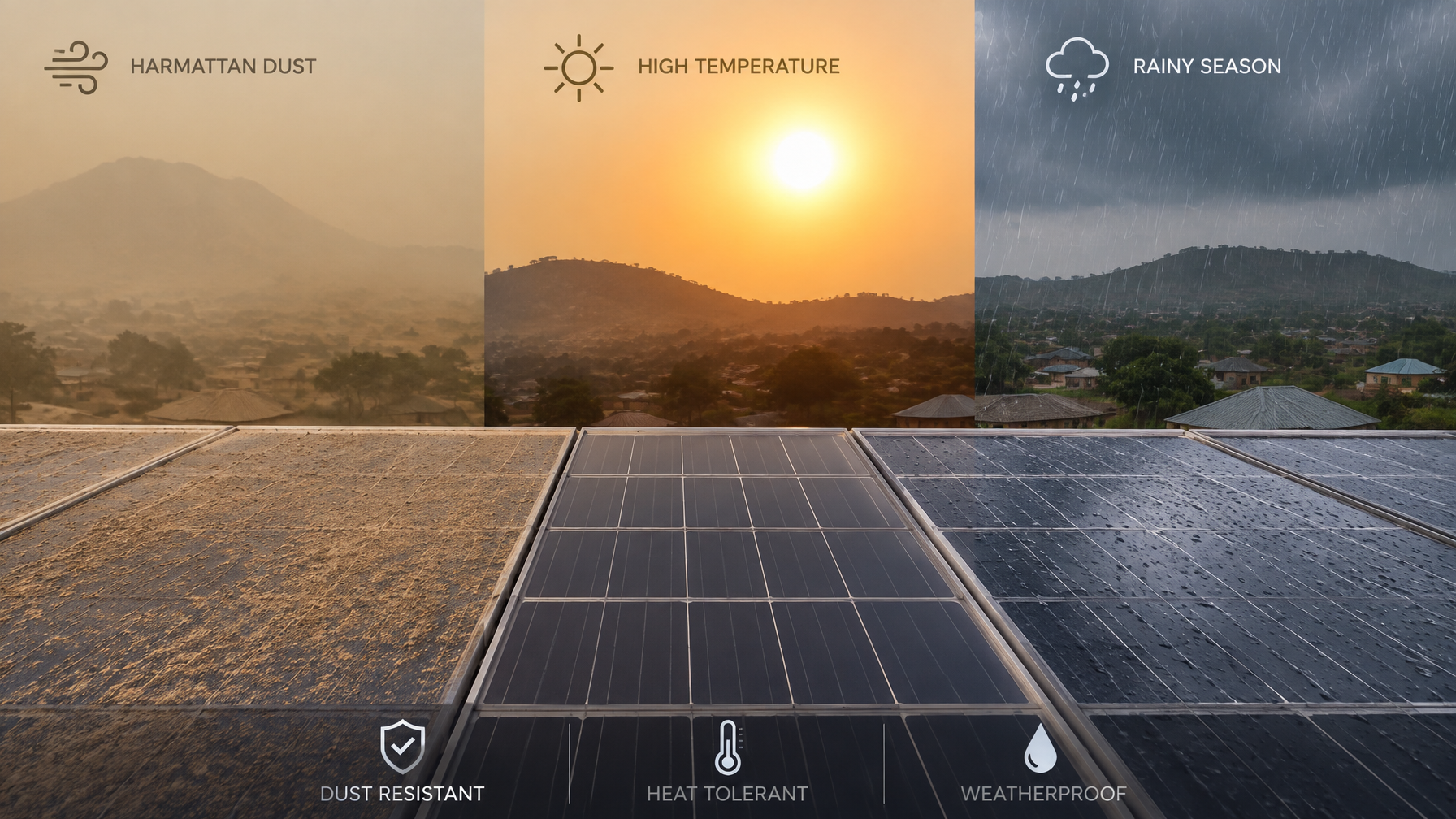
Kogi has distinct wet season and dry season when harmattan dust settles on panels and reduces output. Heat also reduces efficiency. Robust design must account for equipment choice, mounting, drainage, cleaning schedules and cooling of inverters. Plant will occupy dozens of hectares, requiring careful civil engineering and site preparation.
From Proposal to Contract
REA's notification shows contractor's proposal dated 8 January 2020 and accepted 3 March 2020, with accepted amount $41,144,857.96. Letter required performance security within 28 days and enclosed draft contract — marking transition from procurement into delivery.
A Model for the Grid: Hundreds of Substations Could Follow
Nigeria has hundreds of substations, many serving weak supply areas. Kabba offers technical template for embedded generation at such nodes: combining renewable with existing transmission to strengthen grid from within. If successful, it could be adapted across country where solar is strong and supply weakest. That is real significance — not only a solar plant but a test of how grid of future can be built on grid of today.
Kabba Technical At-A-Glance
| Item | Details |
|---|---|
| Substation | 2x60MVA = 120MVA transformation capacity |
| Solar Share | 30MWp is substantial share during daylight |
| Benefits at Node | Loss reduction, voltage regulation via inverters, reduced dependence on far generation |
| Challenges | Variability, protection coordination, grid code compliance, SCADA integration |
| Timeline | Proposal 8 Jan 2020 → Accepted 3 Mar 2020 → Performance security 28 days |
Frequently Asked Questions
Q: How is Kabba different from a mini-grid?
It injects utility-scale solar directly into high-voltage transmission, not a self-contained community system.
Q: Why not build far away and transmit?
Local generation avoids long-distance losses, low voltage at line ends, and vulnerability to distant disturbances.
Q: What must design handle in Kogi?
Wet/dry seasons, Harmattan dust, heat derating, drainage and hectares of civil works.
Based on REA Notification of Award 3 Mar 2020 for Kabba 30MWp (REA-NEP/C/GO/RFP/47/25E). Consult rea.gov.ng.

Comments
Post a Comment